
🧠 The Gut-Brain Connection: How Your Microbiome Controls Your Mood, Focus, and Sleep
Ever felt "butterflies" in your stomach when nervous, or made a "gut decision"? Those aren't just figures of speech. They are real-time updates from your body's second brain. ✨

The emerging science surrounding the gut-brain axis—the bidirectional communication network between your central nervous system and your gastrointestinal tract—has revealed a startling truth: the trillions of microbes living in your belly are actively manipulating your mind. 🦠
If you have been struggling with brain fog, erratic sleep, or unexplained emotional dips, the solution might not be in your head. It might be on your plate. 🍽️
What is the Gut-Brain Axis?
Your gut and brain are permanently wired together via millions of nerves. The most notable highway connecting them is the vagus nerve, a massive nerve pathway running directly from the brainstem down to the abdomen.

Fig 1: The intricate pathway linking gut microbiota to the brain via the vagus nerve.
When your microbiome is unbalanced—a state known as dysbiosis—the signals traveling up the vagus nerve trigger systemic inflammation, directly clouding cognitive function and unsettling emotional stability.
The Chemistry of Calm: Serotonin & Dopamine
We often think of mood-regulating chemicals as strictly brain-based. In reality, your digestive tract functions as a massive endocrine factory.
- Serotonin (The "Happiness" Chemical): 🌞 Roughly 90% of your body's serotonin is manufactured in the gut. Specialized cells rely heavily on specific bacterial strains to synthesize this crucial neurotransmitter.
- Dopamine (The "Motivation" Molecule): 🎯 Your gut microbes produce and respond to dopamine. A healthy microbiome ensures smooth dopamine pathway regulation, keeping you driven and clear-headed.
Probiotics vs. Prebiotics: What's the Difference?
Probiotics are the live, beneficial bacteria found in fermented foods (like yogurt and kimchi) that introduce new colonies to your digestive system.
Prebiotics are specialized, non-digestible plant fibers that act as the primary food source for those beneficial bacteria. Without prebiotics, your healthy gut microbes cannot survive or multiply!
Top 10 Prebiotic Foods for a Healthy Gut
Incorporating natural prebiotics into your daily routine is the fastest way to feed the microbes responsible for your mental clarity. Prioritize these ten highly effective prebiotic foods:
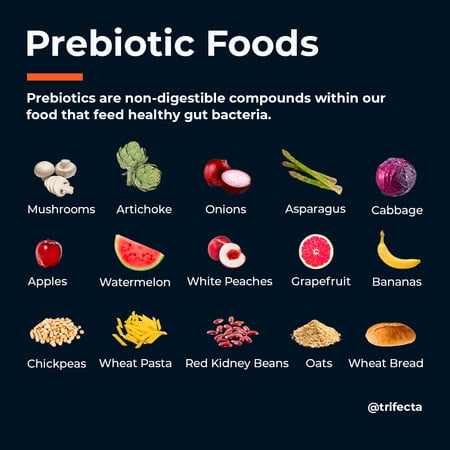
Fig 2: Colorful prebiotic sources to incorporate into your diet.
| Food Item | Prebiotic Component | Gut & Brain Benefit |
|---|---|---|
| 🧄 Garlic | Inulin & FOS | Acts as powerful fuel for friendly Bifidobacteria, reducing inflammation. |
| 🧅 Onions | Natural Inulin | Supports gut lining integrity and eases nutrient absorption. |
| 🌱 Leeks | Dense Fiber | Encourages breakdown byproducts that soothe brain inflammation. |
| 🎋 Asparagus | Chromium & Inulin | Promotes stable mood regulation when eaten raw or lightly cooked. |
| 🍌 Green Bananas | Resistant Starch | Passes through the small intestine intact to feed deep gut microbes. |
| 🥣 Whole Oats | Beta-Glucan | Slows glucose absorption, preventing brain fog and blood sugar spikes. |
| ☕ Chicory Root | 68% Inulin | One of the most concentrated prebiotics available (great coffee alternative). |
| 🥔 Jerusalem Artichokes | Inulin Powerhouse | Significantly steps up metabolic efficiency and digestion. |
| 🍎 Apples | Pectin Fiber | Lowers inflammation and increases beneficial fatty acid production. |
| 🌰 Flaxseeds | Soluble Fiber & Omega-3 | Optimizes transit times and keeps your gut-brain connection running smoothly. |
Building a Gut-Brain Friendly Routine
Transforming your mental well-being via your gut doesn't require a radical lifestyle overhaul. Focus on simple, compounding habits:
- Aim for Diversity: 🌈 Try to eat 30 different plant-based foods each week to build a resilient microbial ecosystem.
- Keep it Gentle: 🐢 Introduce high-fiber prebiotic foods slowly to give your digestive tract time to adapt.
- Prioritize Sleep: 💤 The gut-brain axis is a two-way street; 7-8 hours of quality sleep protects your gut lining from stress.
Feed your microbiome, and take direct control of your emotional resilience! 🌱✨
Post a Comment